
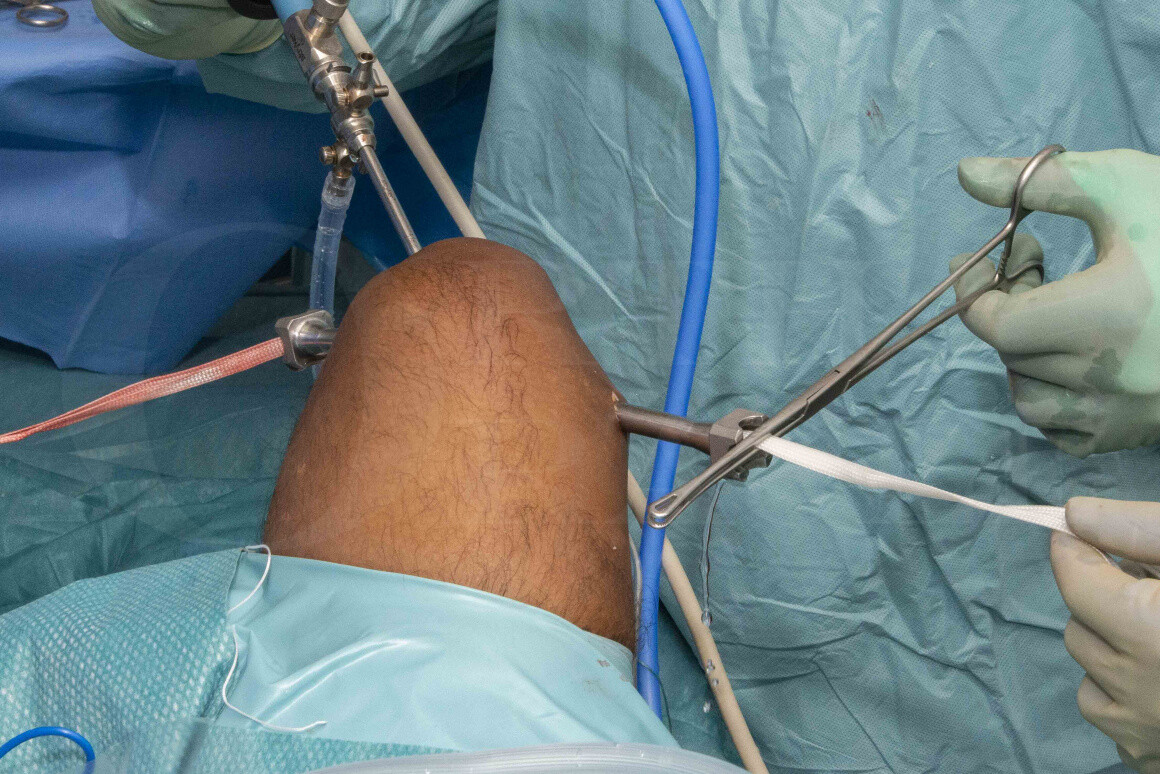
Anterior cruciate ligament injury can cause knee giving-way, pain, swelling, and difficulty returning to sport. Treatment depends on injury severity, age, activity level, and patient goals.
When ACL reconstruction may be considered
- Knee giving-way after twisting injury
- ACL tear seen on MRI or suspected on examination
- Need for safe return to sport or demanding activity
Visit notes
- MRI and clinical examination help guide decisions
- Rehabilitation before and after surgery is important
- The goal is a controlled and safe return to activity
Common patient questions about ACL tear and reconstruction
What are the symptoms of an ACL tear?
An ACL tear may cause a popping sensation at injury, rapid knee swelling, pain, limited motion, and a feeling that the knee gives way. Diagnosis is based on examination and often MRI.
Does every ACL tear need surgery?
Not every ACL tear requires surgery. Age, activity level, instability, associated injuries, and patient goals help decide whether rehabilitation is enough or ACL reconstruction is a better option.
When can patients walk after ACL reconstruction?
Walking and weight-bearing depend on the surgical plan, associated injuries, and the surgeon's instructions. A staged walking and physiotherapy plan is usually explained to support a safe return to activity.