
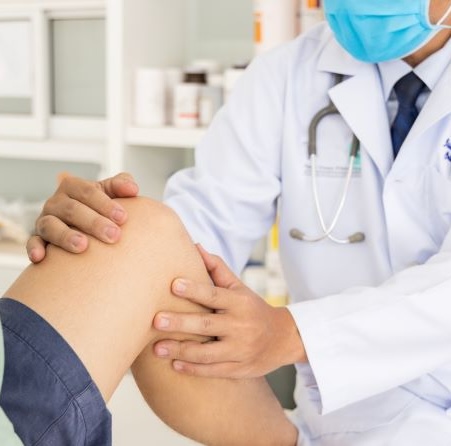
Knee pain can come from arthritis, meniscus injury, ligament damage, kneecap problems, overload, alignment changes, or previous trauma. A structured orthopaedic assessment helps identify the main cause and decide whether non-surgical care, physiotherapy, injections, alignment correction, ligament reconstruction, or joint replacement should be discussed.
When knee treatment with an orthopaedic specialist may be considered
- Knee pain that limits walking, stairs, work, prayer, sport, or sleep
- Swelling, locking, giving-way, stiffness, or reduced confidence in the knee
- Known arthritis, meniscus tear, ACL injury, bow-leg alignment, or previous knee trauma
- Symptoms that continue despite rest, medication, physiotherapy, or activity changes
Visit notes
- Bring previous X-rays, MRI scans, reports, medication lists, and details of earlier treatments
- Treatment is planned around diagnosis, age, activity level, limb alignment, joint condition, and patient goals
- Surgery is not always the first step; non-surgical options and rehabilitation are reviewed when appropriate
- Clear warning signs, recovery expectations, and follow-up timing are discussed before any procedure
Common patient questions about knee treatments
What are the most common causes of knee pain?
Common causes include knee arthritis, meniscus injury, ligament tears such as ACL injury, kneecap tracking problems, tendon irritation, bursitis, alignment changes, and overload. Examination and imaging help separate these causes.
Does knee pain always mean surgery is needed?
No. Many knee problems improve with activity modification, physiotherapy, medication, weight management, injections, or guided rehabilitation. Surgery is discussed when symptoms, imaging, instability, deformity, or quality-of-life limits make it appropriate.
Which imaging is useful for knee problems?
Standing X-rays are useful for arthritis and alignment. MRI is often helpful for meniscus, ligament, cartilage, and soft-tissue injuries. The best test depends on symptoms and examination findings.