
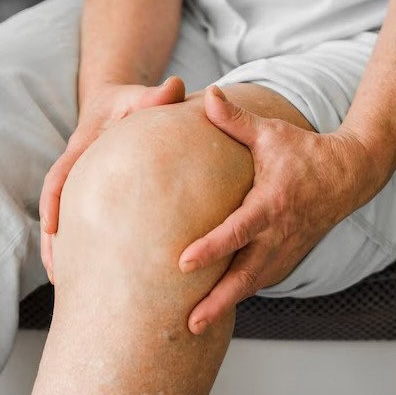
The meniscus helps cushion and stabilize the knee. A meniscus tear can occur after twisting injury or develop gradually with joint wear. Symptoms may include pain, swelling, catching, locking, or difficulty squatting and turning.
When meniscus injury treatment may be considered
- Pain after a twisting injury or sudden knee movement
- Locking, catching, clicking, swelling, or sharp joint-line pain
- MRI report showing a meniscus tear
- Persistent symptoms despite rest, medication, or physiotherapy
Visit notes
- Not every meniscus tear needs surgery, especially when arthritis is also present
- MRI findings should be matched with symptoms and examination
- Treatment may include physiotherapy, activity changes, injections, arthroscopy, repair, or partial trimming in selected cases
- The plan depends on tear type, age, activity level, knee stability, and cartilage condition
Common patient questions about meniscus tears
What does a meniscus tear feel like?
A meniscus tear may cause pain along the joint line, swelling, catching, locking, clicking, or pain when twisting, squatting, or climbing stairs. Some tears cause only mild or intermittent symptoms.
Does a meniscus tear always need arthroscopy?
No. Some tears improve with rehabilitation and time. Arthroscopy may be discussed when there are mechanical symptoms, persistent pain, locking, or a tear pattern that is suitable for repair or targeted treatment.
Can a meniscus tear happen with knee arthritis?
Yes. Degenerative meniscus tears are common in arthritic knees. In that situation, treatment focuses on the whole knee condition rather than the MRI finding alone.